
Home Care
Your HOA Sent a Letter About Your Driveway or Siding. Here Is What to Do.
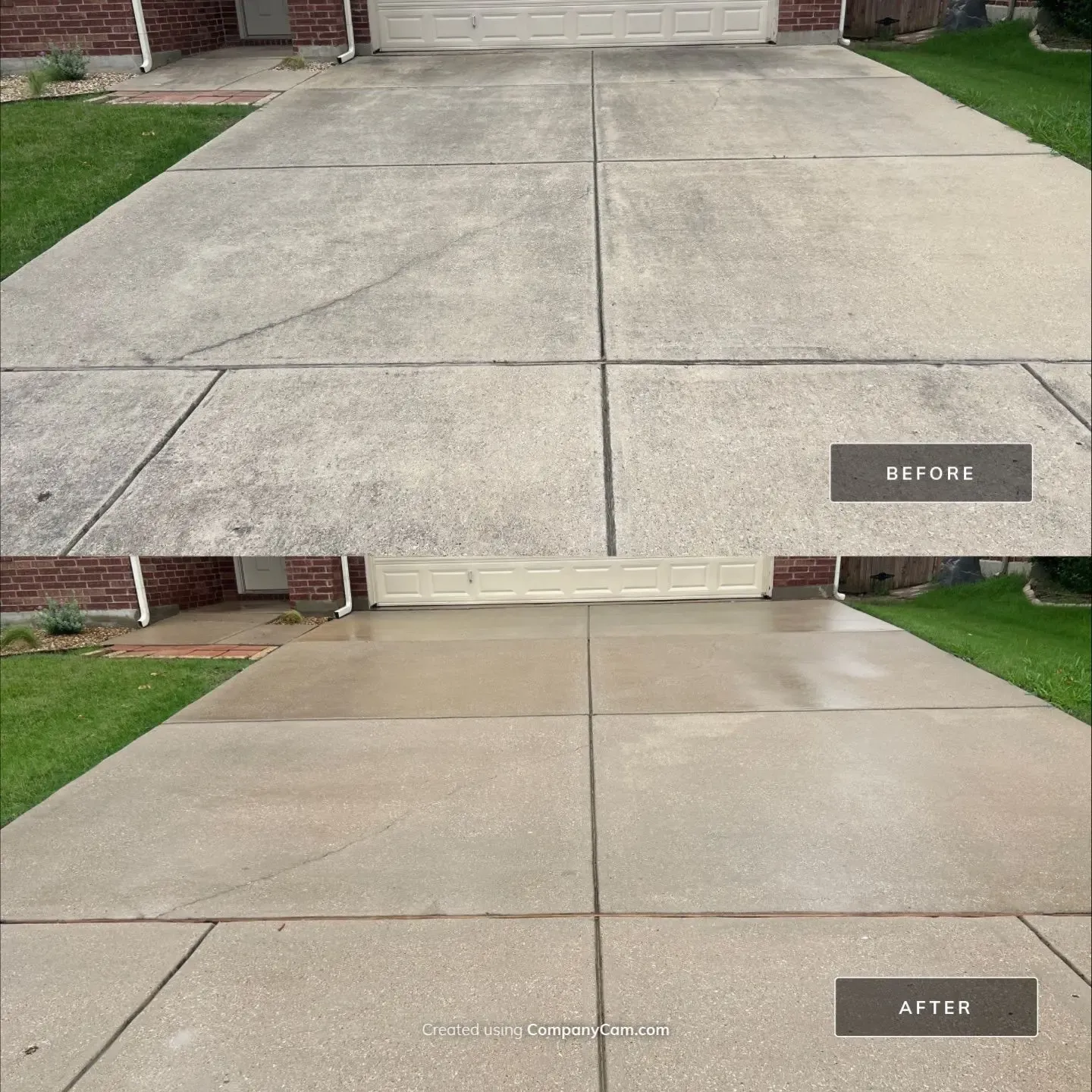
An HOA appearance notice is nobody’s favorite mail, but it is one of the easier problems a homeowner gets to solve: the letter tells you exactly what the community wants fixed and by when, and for the most commonly cited conditions, the fix is a single professional cleaning visit. Here is how to handle it without stress, damage, or a second letter.
Read the letter for two things
Every notice comes down to a cited condition and a deadline. The condition is usually specific: staining or discoloration on the driveway, algae or mildew on siding, a weathered fence, grime on visible walls or trim. The deadline is the compliance window the community’s governing documents provide before follow-up action.
Both matter for planning. The condition determines the method, and the deadline determines the schedule. What the letter almost never requires is anything beyond cleaning: notices cite appearance, and appearance is recoverable.
Why the driveway is usually first
Flatwork is what a committee member sees from the street. Concrete grays with algae, collects tire marks at the apron, and prints rust arcs where sprinkler water lands, and it does all of that earlier and more visibly than walls do. A driveway also sits next to the neighbors’ driveways, so the comparison is built in.
Driveway and concrete cleaning resets the slab to an even color with a surface cleaner rather than a handheld wand, which matters here: a freehand rental-machine job often leaves stripe marks that read almost as poorly as the staining did. Rust needs its own treatment, because it is a mineral stain that the cleaners that lift algae do not touch.
Match the method to the cited surface
The most expensive mistake in the HOA scramble is answering a siding notice with a pressure washer. Siding, stucco, painted surfaces, and older brick are damaged by high pressure: cracked panels, stripped paint, etched faces, water forced behind cladding. Those surfaces need soft wash house cleaning, where a low-pressure solution removes the growth at the root.
The full breakdown of which surfaces tolerate pressure and which do not is in the guide to pressure washing safety. The short version: flatwork underfoot takes pressure, nearly everything vertical wants chemistry.
Schedule it, then let the timeline work for you
Most residential exterior cleaning is completed in a single visit, which means a notice handled promptly leaves margin inside the compliance window rather than a race against it. Booking early in the window also leaves room for weather: exterior cleaning moves around rain, and a deadline week with storms in it is a bad time to be starting.
If the quote process feels opaque, the guide to how exterior cleaning is priced explains what determines the number and what a professional quote includes.
Keep the letters from coming back
A notice is a symptom of a maintenance rhythm mismatch: the surface got dirty faster than the cleaning schedule, if there was one. In North Texas that rhythm is driven by climate. Humidity and shade grow algae on north-facing surfaces through the warm months, spring pollen feeds it, and irrigation rust accumulates year round.
Recurring cleaning on a one-to-two-year cycle for house exteriors, with flatwork refreshed as it shows, keeps a home ahead of the threshold where committees take notice. It is also cheaper per visit than restoration-level cleaning after years of buildup, because the growth never gets established.
When it is the association’s surface, not yours
Not everything a letter could cite belongs to the homeowner. Entrance monuments, perimeter and screening walls, common-area sidewalks, and amenity spaces are typically the association’s responsibility, maintained through the community’s own vendors. The dividing line is set by the governing documents. Homeowners who sit on boards or committees and want the community side handled on a schedule can point the association at HOA community cleaning, which covers exactly those shared surfaces.
The short version
Read the letter for the condition and the deadline. Match the method to the surface: pressure for flatwork, soft washing for everything vertical. Schedule promptly so weather and the deadline never collide. And if the letters keep coming, the fix is a maintenance rhythm, not a bigger machine. For a quote scoped to the cited items, request a free quote or call (214) 764-5913.